


How Do Breathalyzer Results Get Admitted to Court in Rhode Island?
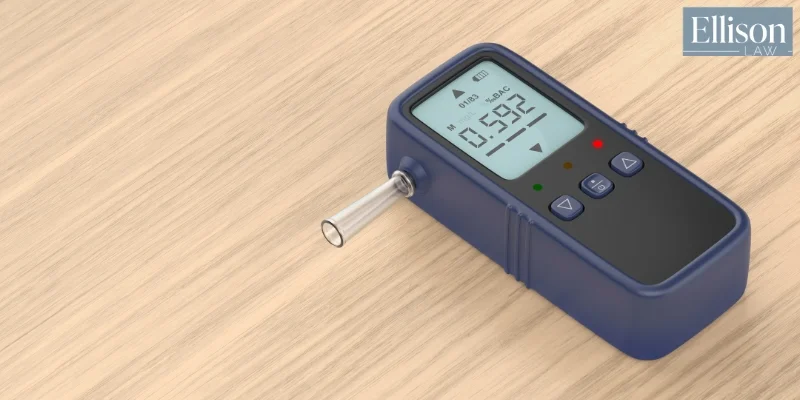
In Rhode Island, breathalyzer results are very important during a DUI case. These results provide evidence of the defendant’s Blood Alcohol Content (BAC) and often, it’s critical to the prosecution’s case. However, its admission into court is not automatic since it involves particular legal and procedural requirements.
What Types of Breath Tests are used in Rhode Island?
There are two types of breath tests involved in a DUI investigation in Rhode Island:
- Preliminary Breath Test (PBT): A PBT is a portable device that should be used by a trained officer. The officer will ask you to do this test after they pulled you over. It provides a preliminary indication of alcohol presence but the results are not admissible in court to prove intoxication because they’re not reliable enough. However, the results may be used to establish probable cause for the officers to arrest you and/or ask you to take a breathalyzer test.
- Breathalyzer Test: After you are arrested, you may have to submit to a second test in the police station with a machine that is similar to a PBT. Except this machine has been routinely calibrated and maintained by the Rhode Island Department of Health. The biggest difference is that the Breathalyzer test is considered more reliable and, if all the protocols were followed correctly, the results can be admissible in court.
Breath tests are a method used by police officers to measure your BAC. These tests analyze the current amount of alcohol in your system by exhaling air in a particular device. Breath tests are used as a way to determine whether a person operating a vehicle is fit to drive or if they’re impaired.
What are the Legal Requirements for Admitting Breathalyzer Results as Evidence in Court in Rhode Island?
To ensure breathalyzer results are admissible in court, the prosecution must demonstrate that the process of taking the test complied with all the protocols of the Department of Health of Rhode Island. These requirements are set to ensure the tests are accurate and consistent and that the officers are correctly trained to use the breath machine.
- Certification and calibration of the breathalyzer device: The device used must be certified by the Rhode Island Department of Health and regularly calibrated. The device must be tested for accuracy within 30 days before its use. Any deviation from these standards may render the results inadmissible.
- Proper training of the operator: The police officer that administers the breathalyzer test must be certified and trained within 365 days of the test. This certification involves passing written tests and demonstrating competence while handling the device.
- Adherence to the testing protocols: The testing process must meet specific procedure standards. First, the person who is being tested has to be observed for 15 minutes before the breath test is completed. This is done to ensure that there isn’t any type of alcohol trace in the mouth that could create a false positive, such as external factors, like smoking, which could affect the results. Then, two valid breath samples should be collected and each result should be taken within 15 minutes of each other. Finally, it is necessary to use a clean and uncontaminated mouth piece for each test.
- Consent and legal warnings: Before administering the test, the officer must inform the suspect of their rights under Rhode Island General Law § 31-27-2.1, which is related to implied consent. The officer should explain the consequences of refusing a breath test. Without proper notification, it’s possible for the results to be excluded.
- Timely Notification of Results: The test results must be mailed to the suspect within 72 hours. If there is a failure to meet this deadline, this requirement can be grounds for the exclusion of the evidence.
How to Challenge the Admissibility of a Breathalyzer Result in Rhode Island?
A skillful Rhode Island criminal defense attorney can challenge the admissibility of breathalyzer results in the court by highlighting procedural errors, legal missteps or external factors that question the reliability of the evidence.
For instance, the attorney is able to point out that the breath devices were improperly maintained or they were not calibrated properly at the time that the test was done, thus it produces unreliable results. Therefore, the results should not be admissible. They can also point out mistakes done by the officer administering the test such as failing to adhere to the mandatory 15 minute observation period.
Additionally, there could be special factors that may affect the results like an unknown medical condition that the officer wasn’t aware of during the testing or even residual alcohol that doesn’t come directly from alcohol consumption, such as mouthwash, that may lead to a false positive.
If an individual’s rights were not properly explained, or there was a lack of communication during the entire process or if they were not informed of the consequences of refusing the test, an attorney could use this information to render the evidence as inadmissible, providing further grounds for contesting the results.
What’s the Importance of Accuracy and Proper Procedures in a Breath Test in Rhode Island?
Breathalyzer results are often pivotal in DUI cases but the tests have to be collected and presented in a manner that ensures fairness and reliability. In Rhode Island, courts have to make sure the breathalyzer tests are reliable and a failure to meet the required standards can result in the exclusion of that evidence. So, it’s important that you understand the legal intricacies surrounding breath tests evidence.
What Do I Do If I Took a Breath Test in Rhode Island?
Breathalyzer results are a powerful tool used by the prosecution to prove impairment in a DUI, but their admissibility in court will depend on whether the officers adhered to all the legal requirements. In order to challenge a result, you should consider hiring a Rhode Island criminal defense attorney to help you with the nuances of admissibility of the breathalyzer test, like the attorneys at Ellison Law LLC, who will help you to create a defense strategy and to properly review and challenge the evidence.
Contact Us Today
Fields marked with an “*” are required
225 Dyer St 2nd Floor
Providence, RI 02903
Office Locations
161 S main St
Fall River, MA 02721

Providence Office
225 Dyer St 2nd Floor
Providence, RI 02903
Fall River Office
161 S main St
Fall River, MA 02721
Phone: 401-230-5520
Fax: 401-867-2950
Copyright © 2026 Ellison Law LLC. All rights reserved.
Digital Marketing By 